
Why We Partnered with Solgram: Building a premium grocery model for India, from first principles

Why We Partnered with Solgram: Building a premium grocery model for India, from first principles
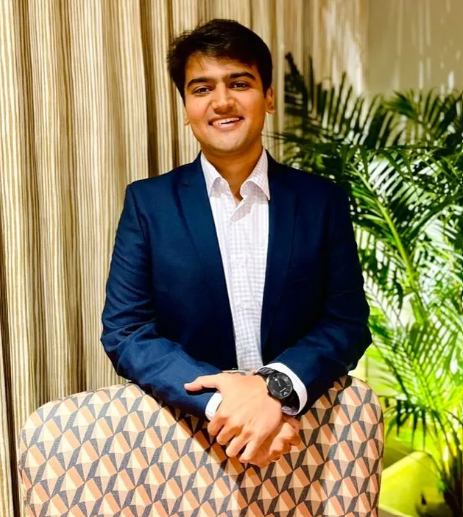
We are pleased to announce our investment in Solgram, a premium, health-first grocery platform founded by Shashank Shekhar Sharma.
Quick commerce is not simply a new channel. It has changed how urban India discovers and shops, and that change is permanent. Annual transacting users grew from 15-20 million in 2023 to 75-85 million in 2025. Households that once made several planned trips a week to the local market or kirana now buy on demand, often more than once a day, and they have become comfortable doing this even for fresh produce, dairy and meat, categories they would not have trusted to an app a few years ago. That shift is set and it is not going back.
What has not changed is the infrastructure underneath. Quick commerce was designed for speed and for the ten-minute top-up. It was never designed for premium grocery. Every large platform is now chasing the gourmet shelf, which tells us demand is real, but a premium shelf added to a mass network is only a merchandising decision. Premium grocery is an operating problem: cold chain, assortment depth and daily fresh production are not things a speed-first network can bolt on. Solgram is not a premium version of quick commerce, and it is not a Western grocery format transplanted into India. It is a new model, built from first principles for the Indian premium consumer.
Quick Commerce Changed Behaviour, Not Just the Channel
The move up-market is now visible across the market. Blinkit has expanded its Gourmet store. Zepto is preparing a premium format called Select. Swiggy Instamart sells clean-label products under its own private label, and Flipkart Minutes has entered gourmet groceries with its own private label. The logic is straightforward. Delivery cost is largely fixed per order, average order values across the large platforms sit in the INR 500-700 (USD 6-8) range, and premium products are the fastest lever available to lift basket size and margin.
The more interesting point is what this says about the consumer. Urban India has been trained to buy groceries online, has developed an appetite for better-curated products, and is willing to pay for them. The question is who serves that properly.
Why Quick Commerce Was Not Built for Premium Grocery
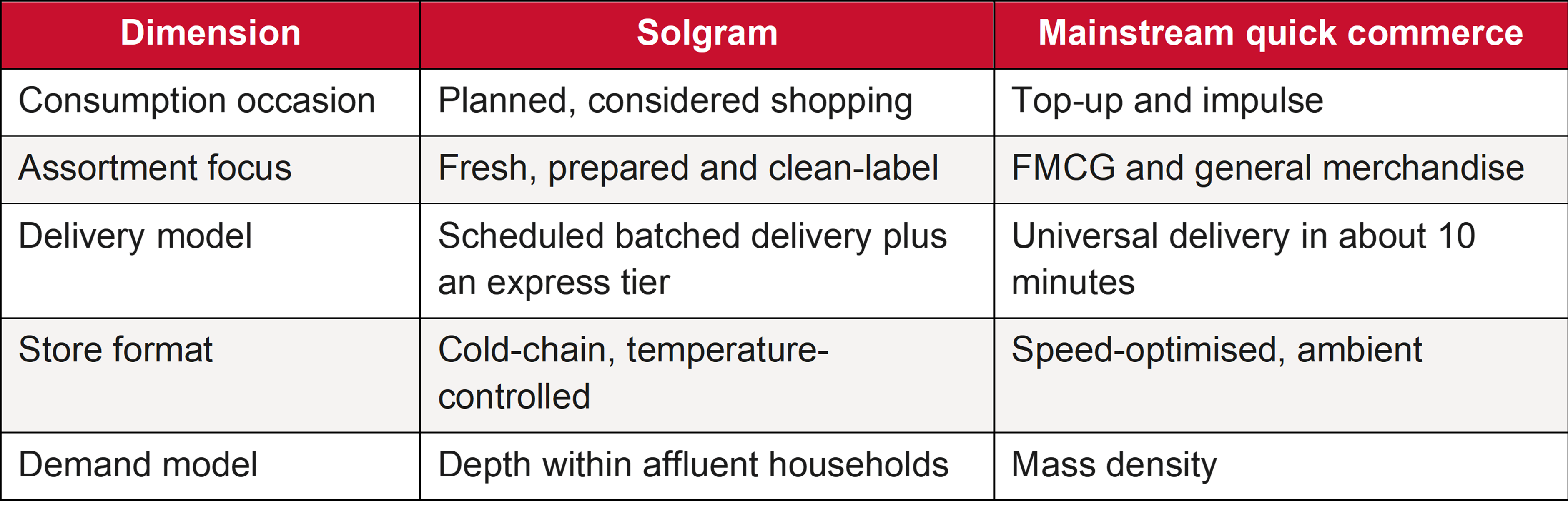
Speed-first platforms are engineered around a specific job. Dark stores are laid out for pick rate, SKU velocity and are largely ambient temperature ranged. Assortment is built for breadth, so that a customer can find whatever they have run out of. Sourcing is built for scale and price, not provenance. All of that is the right design for the top-up order, but the wrong design for the planned premium shopping occasion.
Three things break at the premium end. The first is cold chain. Fresh produce, dairy, meat and seafood have to arrive at optimal temperatures, and in an Indian summer a few minutes outside temperature is the difference between produce that justifies its price and produce that gets refunded. Cold chain has to extend to the doorstep, not stop at the dark store. The second is prepared food, which needs a kitchen, a different labour model and daily production discipline. The third is the occasion. The premium fresh basket is bought for a meal or a few days of meals, not because something has run out. It is larger, far less forgiving on quality, and it rewards a temperature-controlled drop inside a slot the household has picked over a ten-minute race. While Solgram still runs an express tier for top-ups, the bet is that for this specific basket which is larger, less frequent and heavier on perishables, shoppers will trade a narrow delivery window for the assurance that quality has been protected end to end.
The Consumer Is Running Ahead of the Infrastructure
India’s grocery market is large and still largely unorganised. The overall retail market stood at around INR 91 trillion (USD 960 billion) in 2025, of which grocery accounted for ~61%. Only 9-10% of Indian grocery is organised, against about 50% in China and 80% in the United States, and online grocery penetration is ~2.0%. Within that, four shifts matter for Solgram.
• Rising affluence and premiumisation. High-income households, with annual income above INR 1.1 million (USD 11,600), are growing at a 7% CAGR to around 64 million by 2030, against roughly 2% growth in total households. This is the base that trades up to provenance-led food.
• Nuclear households and dual incomes. Nuclear households reached around 220 million in 2025, and female workforce participation rose from 26% to 32% between 2020 and 2025. Both lift discretionary spend and the value placed on convenience.
• Clean-label demand. Demand for additive-free food with transparent ingredients and visible macros keeps growing and remains under-served by formats built for breadth and speed.
• Density. More than 80% of retail spend happens within a 4-6 km radius of the household, and premium micro-markets in NCR, Mumbai and Bengaluru concentrate that demand tightly. Density is what a cluster-led, cold-chain model needs.
The Model – Building India’s cold chain infrastructure for premium retail
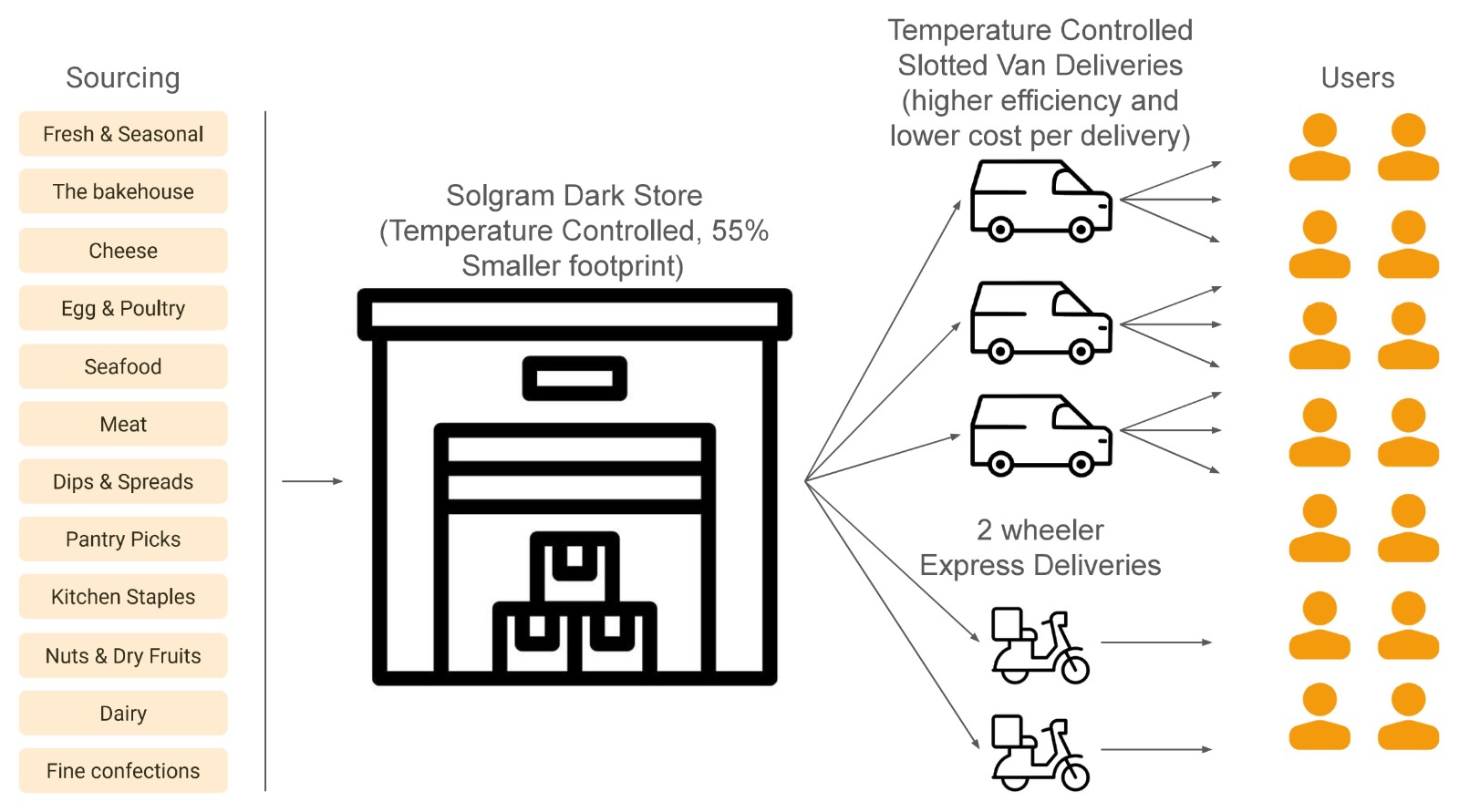
Solgram holds one unbroken temperature-controlled chain from source to doorstep. That is what keeps fresh food in the condition it left the supplier in. Its stores are fully temperature-controlled environments with separate temperature zones, purpose-built to handle fresh, chilled and frozen products under optimal conditions.
Quality control does not stop at the store. Solgram has built its own cold-chain operating system, which holds temperature through inwarding, quality checks, picking, packing and last-mile delivery.
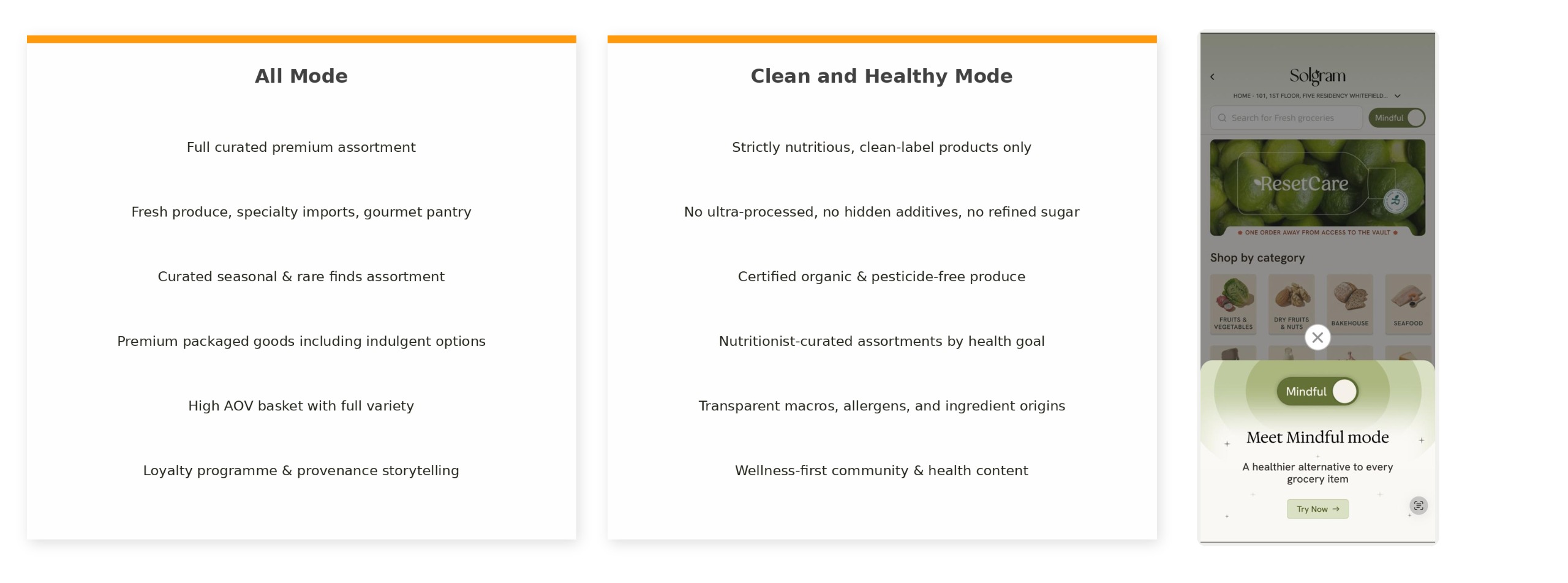
Solgram runs two modes inside a single app. ‘All Mode’ carries a full curated premium assortment, including fresh produce, speciality imports, gourmet pantry, bakery, dairy, meat and seafood. ‘Mindful Mode’ is a separate, nutrition-first curated layer restricted to clean-label products with transparent macros and visible provenance. Both draw on the same dark store, cold chain, and supplier base.
The wedge will be freshness, exceptional quality and overall customer experience. Baked goods, premium dairy and the other high-frequency fresh categories are where quality is judged most acutely, and trust is built fastest. Get that right and the wider curated assortment follows.
Not a Copy of Anything
Solgram is not a copy of anything. It is not a Trader Joe’s for India. That format is store-led and private-label-led, built for American weekly shopping done by car. India’s premium consumer buys more often, in smaller baskets, from a phone, in a market where the binding constraint is cold chain rather than shelf space. Lifting a Western format into India would be the wrong answer.
It is a different business from First Club, which has also built a quality-first quick commerce model in Bengaluru and raised institutional capital behind a similar affluent consumer. Solgram is building the cold chain that gets anything needing temperature control to the customer still at that temperature. It is building for the health-first shopper buying for meals rather than topping up, with an in-house prepared-food layer and cold chain to the doorstep, which is a different occasion and a different operating model.
Traditional premium grocery retailers - Foodhall, Nature’s Basket, Le Marché, Modern Bazaar have stayed store-led, carrying the high fixed costs of rent and utilities that come with physical retail in India. That matters because cold chain in India’s extreme weather is essential, not optional and none of them have built the digital, cold-chain layer that solves convenience and discovery for the customer.
A Founder Built for This Model
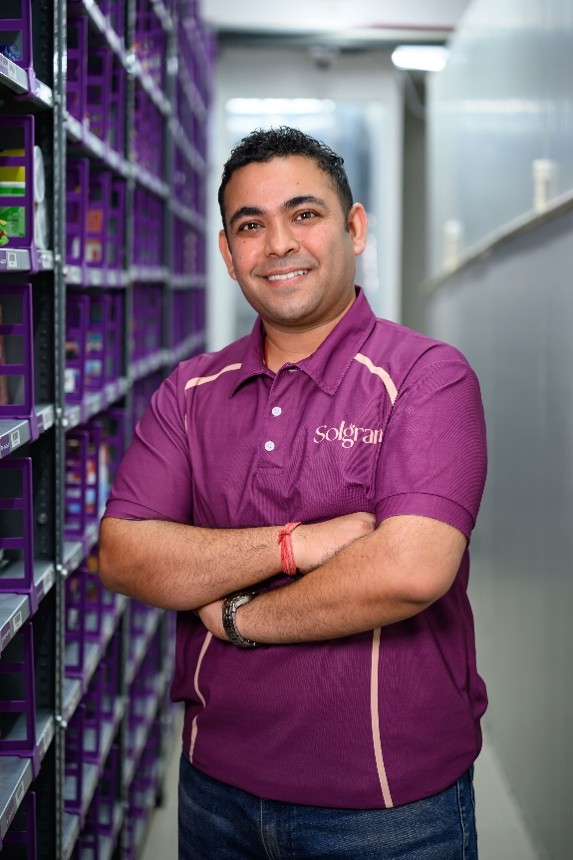
Shashank has spent close to two decades in food service and retail operations. He is an alumnus of the Oberoi Centre of Learning and Development and worked at The Oberoi Group and Chai Point before joining Zepto, where he built Zepto Cafe from inception to more than 128,000 orders a day and INR 12 billion (~USD 126 million) in ARR. He then became CEO of Foodstories, a gourmet retail business, before founding Solgram.
That background covers the four disciplines this model needs: hospitality-grade quality standards, multi-outlet food retail operations, quick-commerce operating intensity with prepared food at scale, and premium grocery curation. Few people in India have run all four.
Why We Invested
• Founder-market fit across all four disciplines. Shashank has operated at the intersection of hospitality, food retail, quick commerce and premium grocery.
• Quick commerce proved that Indian consumers will buy groceries, including fresh produce, dairy and meat, on a phone. It optimised entirely for the top-up, and left the planned, considered basket unserved by any digital-first platform.
• A first-principles model, not a borrowed one. Cold chain to the doorstep, scheduled batched delivery, an in-house prepared-food offering and cluster-led density are choices made for this consumer, not adapted from a format built elsewhere.
• Solgram’s Mindful Mode gives the health-conscious consumer a curated place to shop from day one, rather than a private-label range sitting inside a mass assortment. Across urban India, people are prioritising the quality of what they eat, and Solgram’s Mindful Mode is built to make that shift easy to act on.
• What we bring – We have been building consumer brands from scratch in India since 2012, usually as the first institutional investor, and we have spent the last three years studying quick commerce closely. Solgram sits at the intersection of the founder’s experience and what we have learnt, giving us a strong perspective on how to build and scale the business thoughtfully.
We Have a Lot to Learn
We will be the first to say this model isn’t finished. It is new for India, and a new model raises questions that no amount of analysis can answer in advance. The right assortment depth. The mix between scheduled and express. The economics of running cold chain to the doorstep. The depth a cluster needs to reach before it works.
That is why Solgram is in one city. Gurgaon is where we test, correct, and optimise the model, and we will only expand once it works. We would rather spend the time and money getting the model right in one market than spend it adding pin codes.
Looking Ahead
Indian consumers have shown they will buy their groceries online, and the affluent, health-conscious household among them is still waiting to be served properly. We are delighted to partner with Shashank and the Solgram team as they build that business, one cluster at a time.
Stay informed with our newsletter
Discover insights, perspectives, and the latest happenings in the consumer ecosystem.
Stay informed with our newsletter
Discover insights, perspectives, and the latest happenings in the consumer ecosystem.

Related articles
.webp)

Related articles


Explore more Podcasts

-2.webp)

